

Ofsted Inspection Updates
Ofsted has updated the way nurseries are inspected from 2025, with clearer report cards that show simple grades alongside short explanations of what each setting does well and where it can improve.
Nurseries are now graded on a five-point scale, Exceptional, Strong Standard, Expected Standard, Needs Attention and Urgent Improvement, across key areas such as teaching, early years care, children’s progress, inclusion, leadership, wellbeing, and behaviour.
Tatsfield’s New Ofsted Report
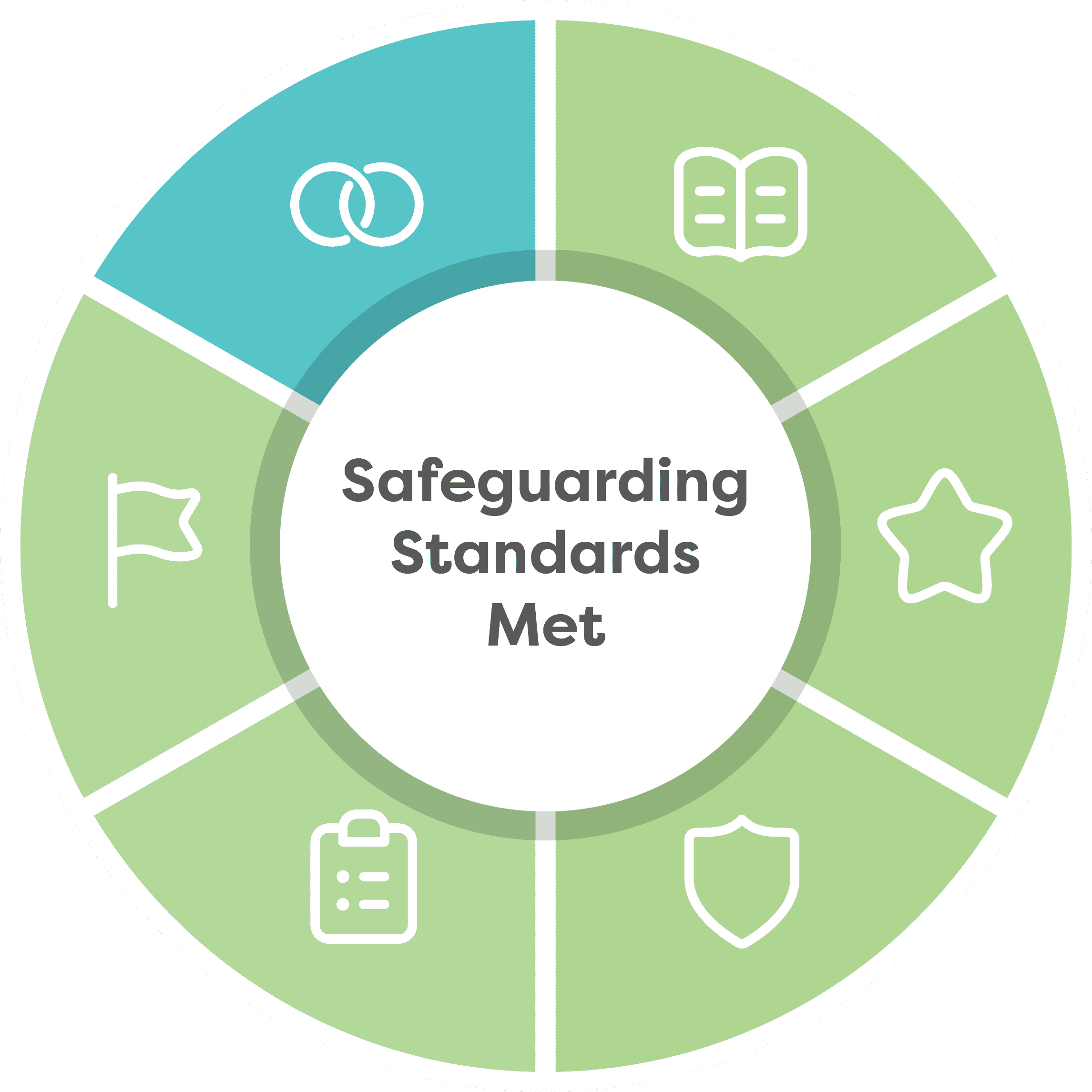
Monkey Puzzle Day Nursery Tatsfield’s most recent Ofsted inspection took place on 21 August 2026, confirming that safeguarding standards were fully met and children’s safety and wellbeing remain a top priority. The nursery achieved Strong Standard for Inclusion and Expected Standard across the five remaining key areas of inspection, reflecting the high-quality care, learning and support provided by the team. Parents and carers can read the full Ofsted report here to learn more about the inspectors’ findings.
New Ofsted Report

What Ofsted Highlighted
Inclusion – Strong Standard
Leaders and staff have built strong partnerships with parents and other agencies, giving them a secure understanding of every child and allowing them to act promptly on any concerns about care or learning. Children with special educational needs and/or disabilities receive consistent support that helps them close gaps in their learning. Thoughtful adaptations are embedded throughout the nursery, from ‘now and next’ boards that help babies understand simple routines to ‘oops’ cards that support children in managing unexpected changes. Leaders also anticipate key milestones such as potty training and the move to school, creating personalised home-learning bags and books to share with families, and additional funding is precisely targeted, with a new outdoor reading area inspiring a love of books in children who previously showed little interest in them.
Children’s Welfare and Wellbeing – Expected Standard
Staff implement effective care practices that help children feel safe, secure and cared for, with close supervision throughout the day, particularly at mealtimes and sleep times. Children are encouraged to think about keeping themselves healthy, recalling why and when they need to wash their hands, and they develop independence by serving their own meals and drinks. Leaders work closely with families to promote good attendance and punctuality, with effective procedures in place so that children benefit from the consistent routines and experiences that support their overall wellbeing and development.
Achievement – Expected Standard
All children make secure progress in their development and gaps in their knowledge and skills close quickly, equipping them well for the move to the next room within the nursery and ultimately for school. Children practise and refine new skills with guidance from staff, learning to assess and manage risks for themselves as they jump from low platforms and land safely on their feet. Communication skills grow steadily too, with children confidently using visual cards to share how they are feeling or what they need, joining in with familiar words and actions during songs, and hearing staff pronounce words clearly to build their speaking skills.
Behaviour, Attitudes and Establishing Routines – Expected Standard
Familiar routines, clear expectations and plenty of praise help children to behave positively and engage well in their learning, and staff celebrate children’s successes so they develop a real sense of pride in their achievements. Visual cards and conversations about different feelings help children recognise and express their emotions, promoting their emotional wellbeing and supporting positive relationships with others. The learning environment is arranged to encourage cooperation, with children sharing resources and working towards a common goal during activities such as water play, while leaders continue to support staff in responding promptly when children become overexcited so that every child learns to regulate their behaviour.
Curriculum and Teaching – Expected Standard
Leaders and staff deliver a curriculum that supports all children, including those with special educational needs and/or disabilities, to make secure progress, carefully building on what children enjoy and their next steps in learning. A fascination with potions, for example, has been used to spark a love of books in children who previously showed little interest in literacy, and they now seek out these stories independently and recall familiar parts. Teaching is well matched to children’s age and stage, with mathematical development woven into daily routines through counting songs for younger children and counting the days of the month at group times for older ones, and leaders continue to support staff in checking that children’s new knowledge is securely embedded.
Leadership and Governance – Expected Standard
Leaders provide staff with effective support through regular meetings, feedback on their practice and relevant training, including professional qualifications and courses on strengthening partnerships with parents. They strive to continuously improve, regularly evaluating the quality of the provision, and have recently introduced a forest school facility where children can learn about the world around them and build a wealth of life skills. Partnerships with parents are secure, with information shared openly so that children receive effective support in their development, and a range of home-learning bags has been created and is continually reviewed to meet each child’s individual needs at home.
What it’s like to be a child at Monkey Puzzle Tatsfield
Children arrive happy and ready to start their day, forming secure attachments with staff and interacting easily with the whole nursery team as well as their key person. All children, including the very youngest and those with special educational needs and/or disabilities, are supported to communicate their wants and needs in a variety of ways, from conversations during play and shared stories to visual cards used to choose the next song, ensuring every child’s voice is heard. Children enjoy a wide range of activities that build their physical skills, from confidently manoeuvring ride-on toys and watering the plants to strengthening their hands and fingers with play dough, and they relish role play, acting out buying and selling ‘ice-creams’ from the shop that staff set up for them.